

Smart dressing for managers plays a key role in how you are perceived by your team and leaders. Wearing the right attire shows professionalism and confidence, helping you build trust and authority in your role. Understanding the balance between style and appropriateness ensures you send the right message in any situation.
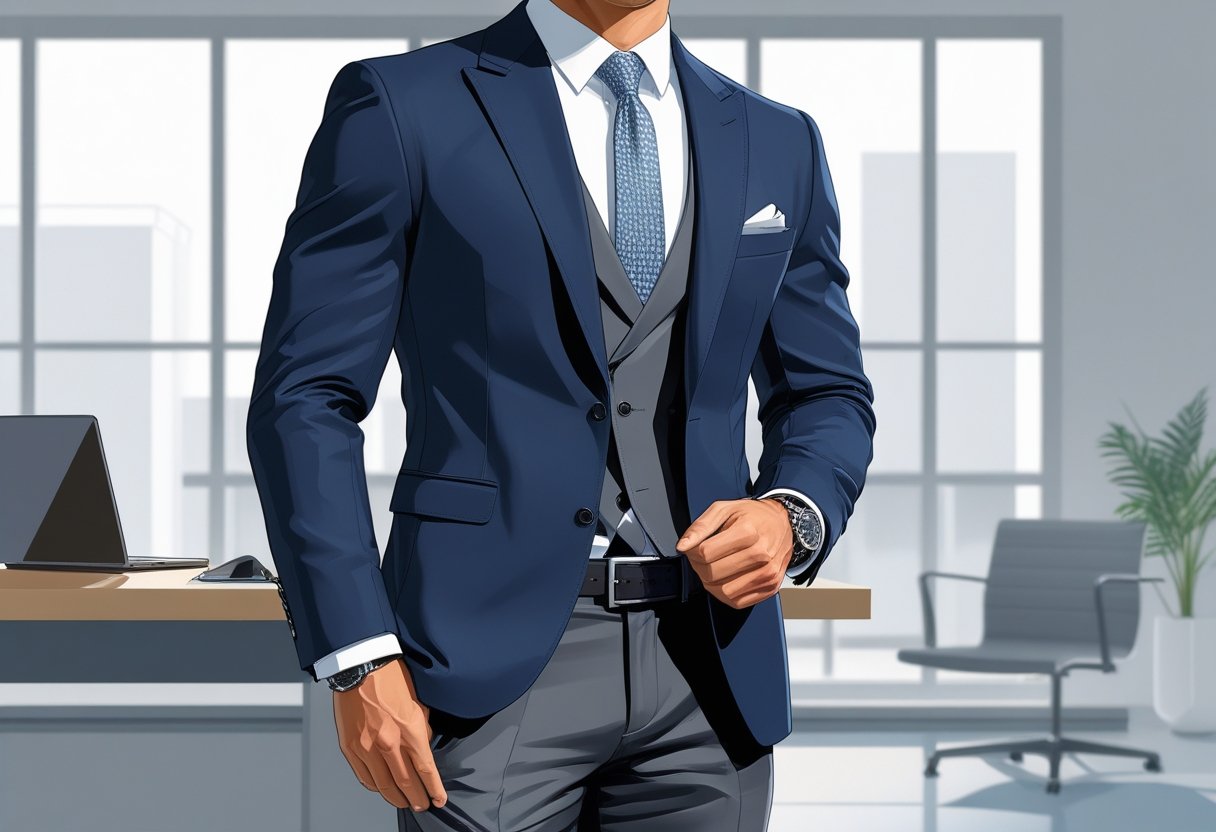
Choosing from smart casual, business casual, or formal dress codes depends largely on your workplace culture and the events you attend. I’ve learned that adapting your wardrobe without losing your personal touch makes it easier to stay comfortable and polished throughout the day. It’s not just about clothes but how your appearance supports your leadership.
Knowing how to pick pieces that fit well, look sharp, and match the occasion makes smart dressing easier to master. Paying attention to small details like grooming and accessories also helps reinforce a strong professional image. Getting this right can boost your confidence and how others respond to you.
Key Takeaways
- Dressing well impacts your leadership presence and trustworthiness.
- Flexibility between dress styles helps you fit various professional settings.
- Small details in grooming and fit complete a smart, polished look.
Smart Dressing Essentials for Managers
When I dress for work as a manager, I focus on balancing professionalism with comfort. I choose clean, well-fitting clothing that fits the office culture. Every item I wear supports a polished look without being overly formal or too casual.
Defining Smart and Professional Dress Codes
Smart dressing means clean, coordinated outfits that look intentional. It’s not just about wearing a suit but knowing when to wear business formal, business casual, or smart casual. Professional attire means clothes should be neat, wrinkle-free, and in good condition.
For managers, it’s important to understand the company’s office dress code. A corporate dress code often requires suits or blazers with dress pants or skirts. In other workplaces, I can wear chinos paired with a blazer for a smart casual look. I avoid jeans or sneakers unless the dress code explicitly allows them.
Smart dressing also means avoiding flashy patterns or overly bright colors. Neutral tones like navy, black, beige, and gray create a professional appearance while allowing subtle pops of color in ties or accessories to show personality.
Manager-Specific Office Attire Standards
As a manager, I dress to project authority and approachability. This means selecting clothing that signals I’m serious about my role but accessible to my team. When meeting senior leaders, I wear fitted blazers with dress shirts and trousers, as this reflects a polished and commanding presence.
In more casual settings like team-building or training sessions, I switch to business casual. For example, pairing a well-tailored blazer with chinos and loafers keeps me stylish yet relaxed. Footwear choices like dress boots or loafers should match the formality of the outfit and offer comfort for long days.
I pay close attention to grooming and maintaining my wardrobe. Shoes must be clean and polished, and my clothes tailored to fit well. This keeps my overall look sharp and prevents any details from undermining my professionalism.
Key Garments and Accessories for a Sharp Look
Some items are essential in my work wardrobe. A well-fitted blazer is the anchor piece, versatile enough to dress up or down. Quality dress pants or chinos complement the blazer and ensure I look well-put-together.
For footwear, I choose loafers, dress boots, or classic pumps that offer support without sacrificing style. These shoes enhance my image and keep me comfortable during meetings or office rounds. I avoid casual shoes like sneakers or sandals.
Accessories are minimal but thoughtful. A classic watch, a leather belt matching my shoes, and simple ties or scarves add polish without distraction. I aim for pieces that blend with my outfit while emphasizing neatness and attention to detail.
By focusing on these essentials, I maintain a professional appearance that respects office dress codes and helps me lead confidently every day. For more details on dressing smartly as a manager, you can visit guides on business smart attire or learn about aligning with corporate dress codes.
Smart Casual, Business Casual, and Formal Options
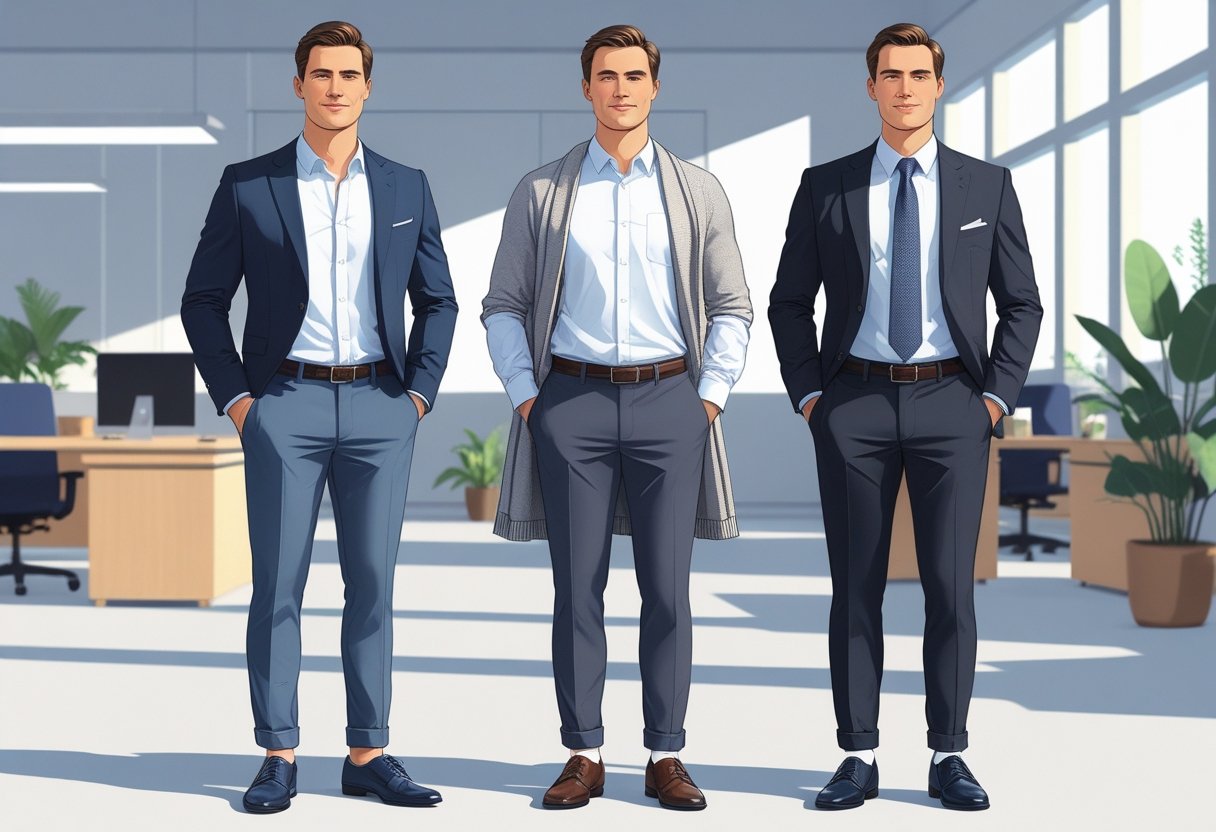
Dressing well as a manager means knowing how to shift between smart casual, business casual, and formal styles. Each option has clear elements that balance professionalism and approachability, depending on the setting and company culture. The key is to adjust pieces like shirts, trousers, shoes, and accessories to match the occasion without losing your polished look.
xxxx
A stylish, conversion-optimized advertisement box for your men's style blog posts Download our premium men's style app and discover curated outfits, grooming tips, and exclusive style guides tailored for the modern gentleman.Modern Ads Box for MenProStyle
Elevate Your Style Game
How to Install in Your Blog Post
<div class="ads-box">
<div class="badge">EXCLUSIVE OFFER</div>
<div class="ads-content">
<div class="ads-image"></div>
<div class="ads-text">
<div class="logo-container">
<div class="logo-icon">M</div>
<div class="logo-text">MenProStyle</div>
</div>
<h2>Elevate Your Style Game</h2>
<p>Download our premium men's style app and discover curated outfits, grooming tips, and exclusive style guides tailored for the modern gentleman.</p>
<div class="features">
<div class="feature"><i class="fas fa-check-circle"></i><span>Personalized Style Advice</span></div>
<div class="feature"><i class="fas fa-check-circle"></i><span>Wardrobe Organization</span></div>
<div class="feature"><i class="fas fa-check-circle"></i><span>Exclusive Brand Deals</span></div>
</div>
<a href="https://www.menprostyle.store/" target="_blank" class="cta-button">Download App Now <i class="fas fa-arrow-right"></i></a>
</div>
</div>
</div>
<!-- Include CSS from the style tag above -->
Smart Casual for Managers: Men and Women
For smart casual, I focus on bringing together relaxed yet refined pieces. Men can opt for a polo shirt or a crisp button-down shirt paired with tailored chinos or dark, neat jeans. A textured blazer adds an instant lift. Leather loafers or clean, minimal sneakers work well here.
Women have a lot of room to blend style and ease. High-quality blouses or smart casual dresses look great with ankle boots or flats. Tailored trousers or a neat skirt paired with a blazer or cardigan finish the outfit. Avoid overly casual items like graphic tees or distressed jeans to keep it professional but approachable.
Smart casual suits occasions like offsite meetings or creative team gatherings. It shows effort without being stiff.
Business Casual Versus Business Formal Explained
I see business casual as a step up from smart casual, yet more relaxed than business formal. Business casual means dress shirts (often patterned or solid), tailored trousers or chinos, and polished dress shoes like brogues or loafers. Sweaters or cardigans layered over shirts add some comfort without losing formality.
Business formal requires a tailored suit—usually dark colors like navy or charcoal—with a dress shirt and conservative tie. Shoes should be formal, such as black Oxfords or Derby shoes, always polished. Accessories like a matching leather belt, a watch with a leather strap, or subtle cufflinks are key here.
Understanding when each style fits the workplace culture helps avoid being over- or underdressed at client meetings, presentations, or formal events.
Mastering Tailored Details: Suits, Shoes, and Accessories
Tailoring is what truly defines sharp business attire. For suits, I always choose a slim, well-fitted cut that flatters my frame without being tight. The jacket should sit perfectly on the shoulders and sleeves should hit just at the wrist bone. Trousers need a clean break at the shoe.
The right shoes complete the look. Men should keep polished leather Oxfords, brogues, or loafers in rotation. Women can choose ankle boots, heels, or flats in leather or suede, avoiding overly casual styles.
Accessories matter and should be minimal and high-quality: a leather belt matching your shoe color, a classic watch, and subtle jewelry. Even a pocket square or tie bar can add personality without distraction. These finishing touches elevate business professional and formal looks.
Frequently Asked Questions
Smart dressing for managers means choosing clothes that look polished and professional while fitting the role’s responsibilities. It involves selecting tailored pieces, appropriate colors, and minimal accessories to project confidence and authority.
What constitutes a smart dressing code for male managers?
For male managers, smart dressing usually means wearing well-fitted suits in neutral colors like navy, gray, or black. Dress shirts should be clean and crisp, mostly white or light blue, paired with a conservative tie. Leather dress shoes in black or brown complete the look.
Avoid flashy patterns and overly casual items like jeans or sneakers unless company policy allows it on special days. Grooming should be neat and professional.
What are appropriate business attire options for female managers?
Female managers can wear tailored suits with trousers or skirts in neutral colors such as black, navy, or gray. A professional blouse or top with a modest neckline is ideal. Dresses paired with blazers also work well if the dress length is knee-length or longer.
Shoes should be closed-toe and low-heeled, with accessories kept minimal and understated. Makeup and hairstyles should present a neat, polished image.
How does business professional attire differ from business casual?
Business professional attire is more formal, focusing on suits, dress shirts, and polished shoes. It requires coordinated outfits with neutral tones and tailored fittings to project authority and professionalism.
Business casual allows for more relaxed choices like blazers without matching pants, dress slacks, or modest dresses without a jacket. It may include clean, non-distressed jeans or loafers in less formal settings but still looks neat.
What guidelines should managers follow when selecting a business smart wardrobe?
Managers should aim for high-quality materials and tailored fits that enhance appearance and comfort. Choosing classic colors and avoiding bold, distracting patterns helps maintain a professional look.
Clothing must be clean, pressed, and in good condition. Accessories and makeup should be simple. Managers should also follow specific company dress code policies and adjust for industry expectations.
Can you explain the 3-3-3 rule for outfit selection in a managerial position?
The 3-3-3 rule suggests selecting three key wardrobe pieces, three accessories, and three colors to mix and match easily. This helps create versatile outfits that remain professional and polished.
For example, three suits or blazers, three pairs of shoes or belts, and a palette of three neutral colors like black, navy, and gray provide enough options without overcomplicating choices.
What are the essential elements of a smart professional dress code for management?
Essential elements include tailored suits or blazers, clean and pressed dress shirts or blouses, and polished clean shoes. Accessories should be minimal and conservative.
Grooming is vital—hair should be neat, makeup subtle, and jewelry understated. Together, these create a look that commands respect and reflects professionalism.

No comments:
Post a Comment